
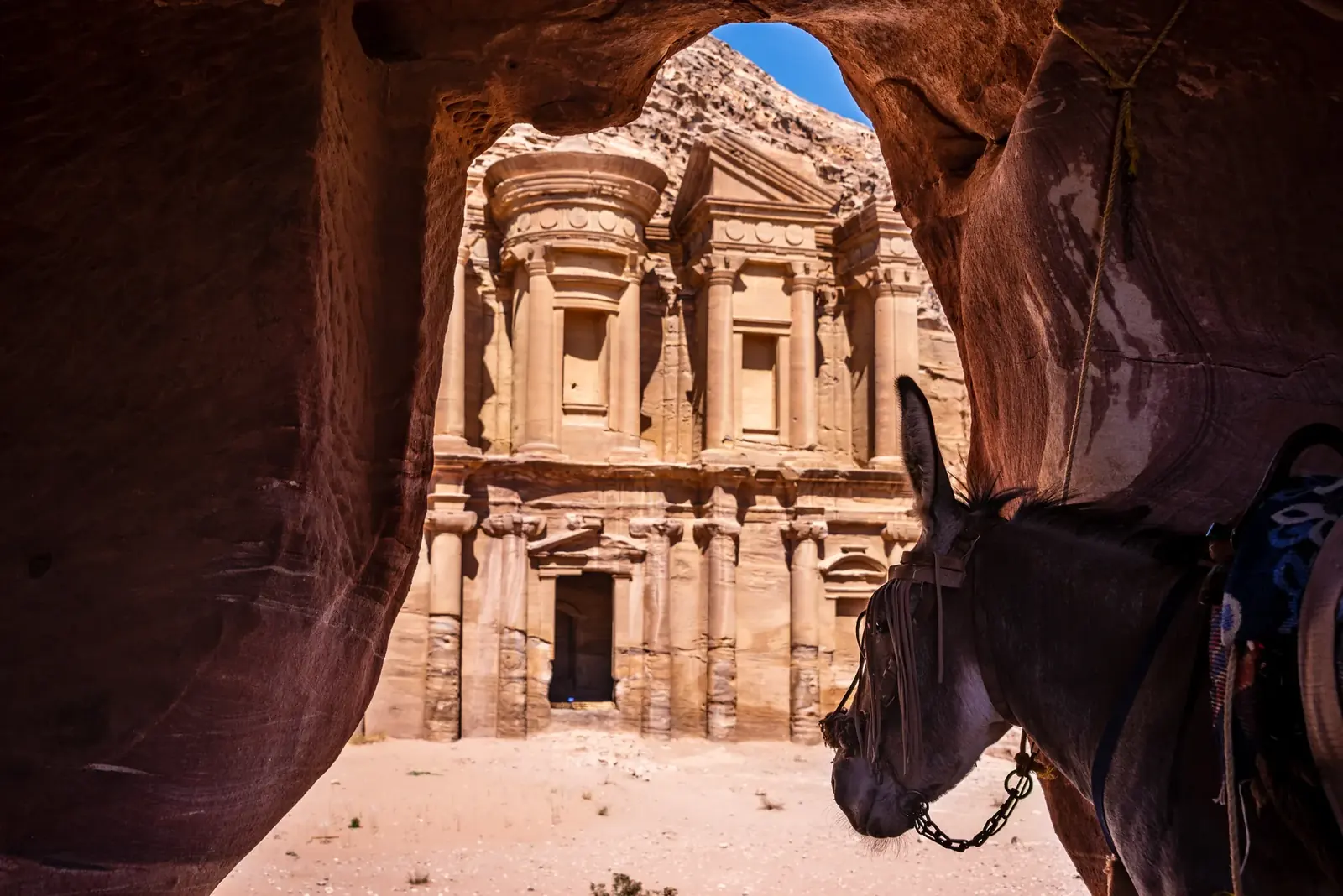

Jordan is compact on a map, but the experience changes dramatically from one region to the next. Amman is layered, social and lived-in. Petra is physically demanding and emotionally absorbing. Wadi Rum slows the pace through silence and open landscape. The Dead Sea gives the body time to recover.
The strongest Jordan itineraries do not simply place these destinations in a list. They arrange them in an order that respects energy, driving time, weather and the emotional rhythm of the journey.
Start with Amman, not just the airport
Amman is often treated as a place to sleep before moving south. That misses the point. The capital gives context to everything that follows: Roman history at the Citadel and Theatre, contemporary life in Jabal Amman and Weibdeh, food culture downtown, and a practical base for northern exploration.
For most first-time travelers, one full day in Amman is enough for the essential city experience. A second day creates space for Jerash, Ajloun or a deeper food and neighborhood focus. Beginning here also allows time to recover from the flight before the more active days ahead.
Protect Petra from rushed planning
Petra is the anchor of most Jordan journeys, and it deserves more than a hurried day trip. The main trail alone includes the Siq, the Treasury, the Theatre, the Royal Tombs and the remains of the ancient city center. The Monastery and the quieter routes require additional time and energy.
Two days is the best balance for many travelers. It allows one day for the main archaeological sequence and another for the Monastery, Little Petra or a less-crowded trail. It also makes room for an early start, a midday rest and a return in softer afternoon light.
Accommodation close to the entrance can make a meaningful difference. Being able to return to the hotel during the hottest or busiest part of the day protects both comfort and enjoyment.
Let Wadi Rum change the rhythm
After Petra’s walking and historical intensity, Wadi Rum offers a different kind of experience. The desert is not only about a jeep tour. Its real value comes through sunset, campfire conversation, the night sky and the stillness of sunrise.
One overnight is the minimum for the full arc of the landscape. Two nights suit travelers who want more time for hiking, scrambling, photography or simply doing less. Camp location matters as much as room type: properties deeper inside the protected area usually offer stronger silence and stargazing.
Use the Dead Sea as recovery, not an obligation
The Dead Sea works especially well after Petra and Wadi Rum. Floating, spa treatments and a slower resort day can reset tired muscles before departure or the next stage of a multi-country journey.
One night is usually sufficient for the core experience. Two nights make sense for travelers who want wellness time or nearby cultural sites. The important point is sequence: the Dead Sea is most effective when it serves the journey’s pacing rather than appearing as another rushed stop.
Build the route around energy
- Arrival: Use Amman for recovery, city context and northern day trips.
- Active core: Give Petra protected time and avoid combining it with a long drive on the same day.
- Decompression: Follow Petra with Wadi Rum or the Dead Sea depending on the experience you want.
- Departure: Return to Amman or continue toward Aqaba when the flight plan supports it.
How many days do you need?
A focused Jordan journey can work in six or seven days, but eight to ten days creates a far better balance. That additional time allows the country to feel connected rather than compressed. Families, photographers and travelers who prefer slower mornings usually benefit from even more space.
The best itinerary is not the one with the most stops. It is the one that protects the moments you came for.
Explore Jordan or begin with a tailor-made journey designed around your pace.
0 Comment