
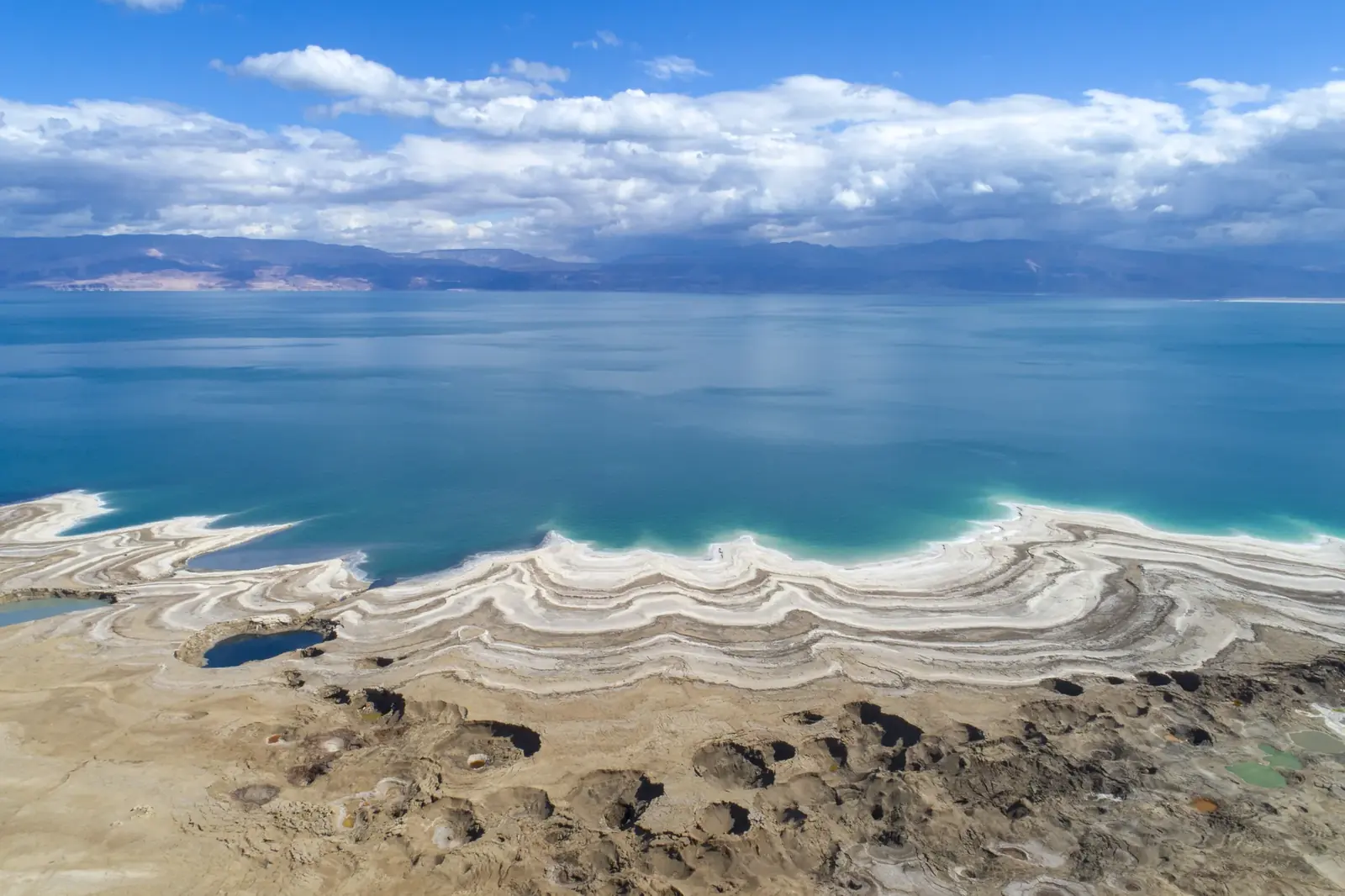

The Dead Sea is often added to a Jordan itinerary because it is famous. That is not the strongest reason to include it. Its real value is how well it changes the pace after Petra.
Petra asks a great deal from the body. Even a carefully planned visit includes long periods of walking, uneven ground, climbs and changing temperatures. The Dead Sea offers the opposite rhythm: buoyancy, stillness, spa time and a horizon that encourages travelers to stop moving.
Why sequence matters
Visiting the Dead Sea before Petra can be enjoyable, but the experience becomes more useful after the archaeological days. Tired legs benefit from a slower afternoon. Travelers who have spent early mornings on Petra’s trails are usually ready for a resort, a long shower and an unstructured sunset.
This creates a natural narrative:
- Petra delivers discovery, scale and physical effort.
- The Dead Sea provides recovery, reflection and comfort.
- The final day feels restorative rather than rushed.
How many nights at the Dead Sea?
One night is enough for most first-time visitors. It allows time to arrive, float, experience the mineral-rich water, enjoy a spa treatment if desired and wake without an early transfer.
Two nights work well for travelers who want a genuine wellness break or who plan to include nearby sites. A day trip from Amman is possible, but it changes the experience into an activity rather than a recovery stay.
Floating safely and comfortably
The Dead Sea is not a conventional swimming destination. The salinity creates strong buoyancy, so the experience is closer to reclining on the water than swimming through it.
- Keep your face above the water.
- Avoid entering with open cuts or freshly shaved skin.
- Start with a short float rather than staying in too long.
- Rinse with fresh water afterward.
- Use resort facilities when comfort and showers are important.
Choose the right accommodation logic
A resort stay is not mandatory, but it is usually the most comfortable choice. Private beach access, freshwater showers, shaded areas and spa facilities make the experience much easier. For a one-night stay, convenience often matters more than having the largest possible property.
Travelers who want a quiet recovery day should protect the schedule from too many added stops. The Dead Sea works best when there is enough time to do very little.
Best time of year
Spring and autumn generally offer the easiest temperatures. Summer can be extremely hot, so outdoor time should be limited to morning and late afternoon. Winter is cooler, but the water often remains comfortable enough for the core experience.
Exact access conditions, resort facilities and seasonal arrangements should always be confirmed for the travel dates.
The wider Jordan route
The Dead Sea also connects naturally with Amman, Madaba and Mount Nebo. It can serve as the final overnight before returning to the capital, or as a transition between northern Jordan and the southern route.
But after Petra, its role becomes clearest: not another place to collect, but the moment the journey gives something back to the traveler.
Explore the Dead Sea and connect it with Petra in a route designed around realistic energy.
0 Comment