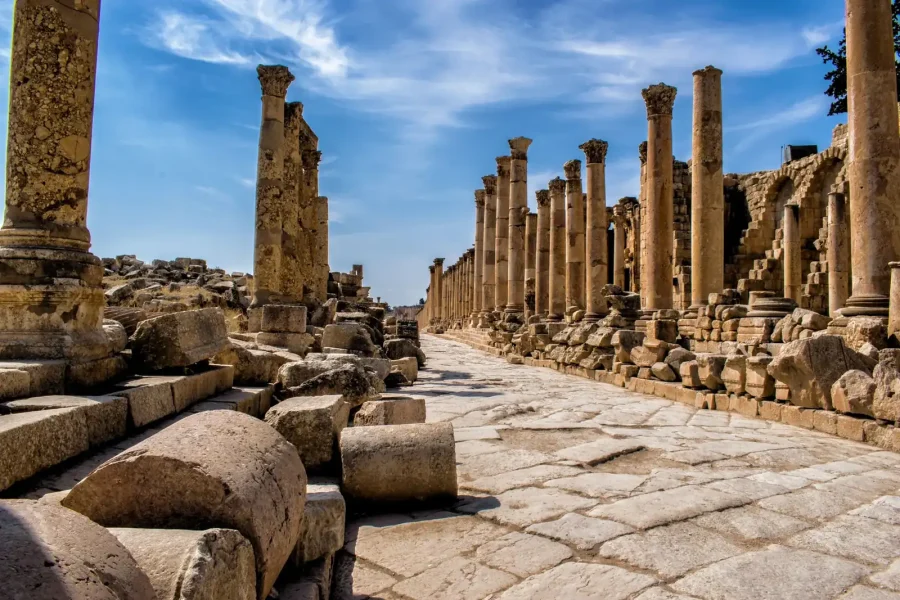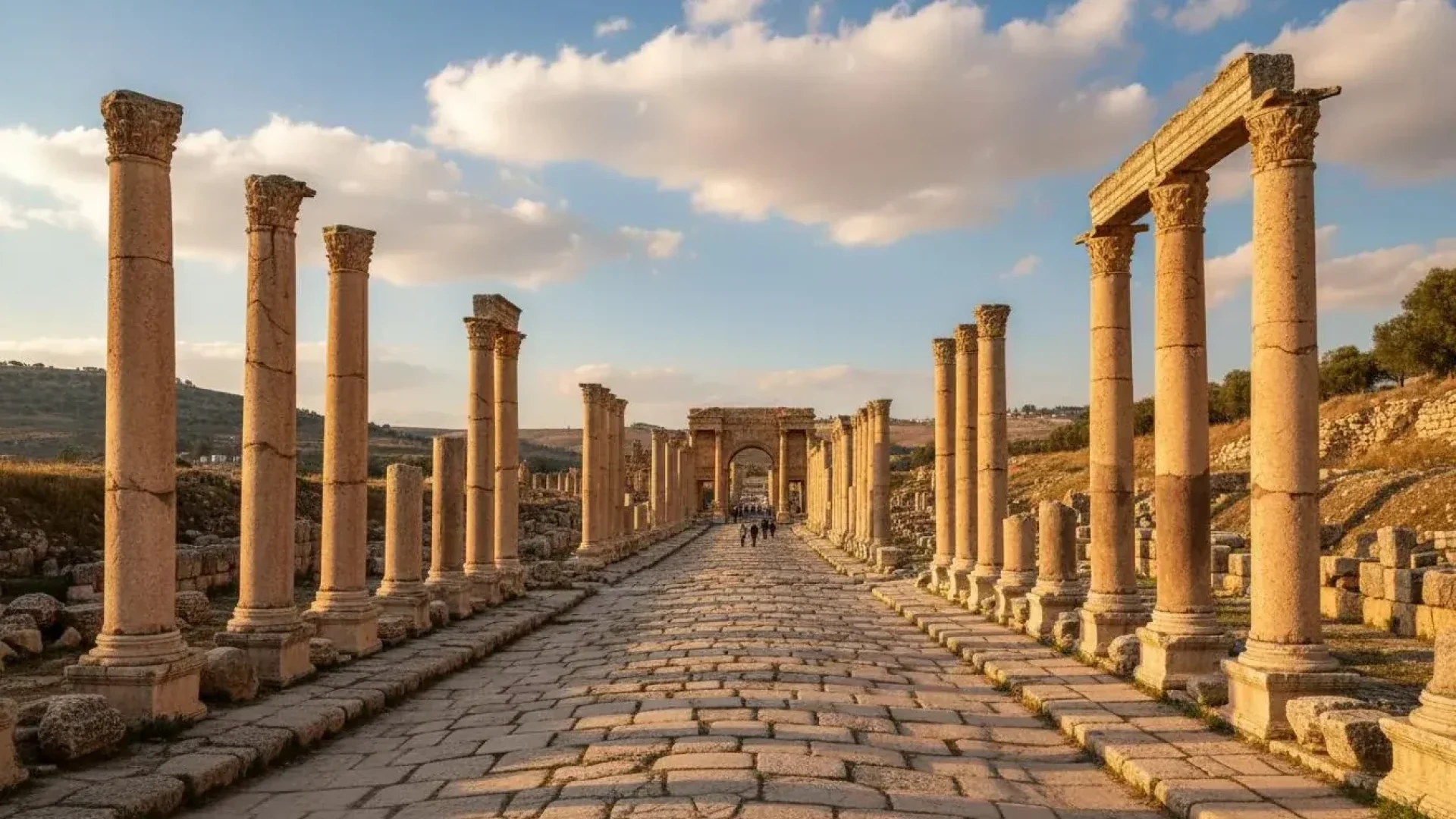
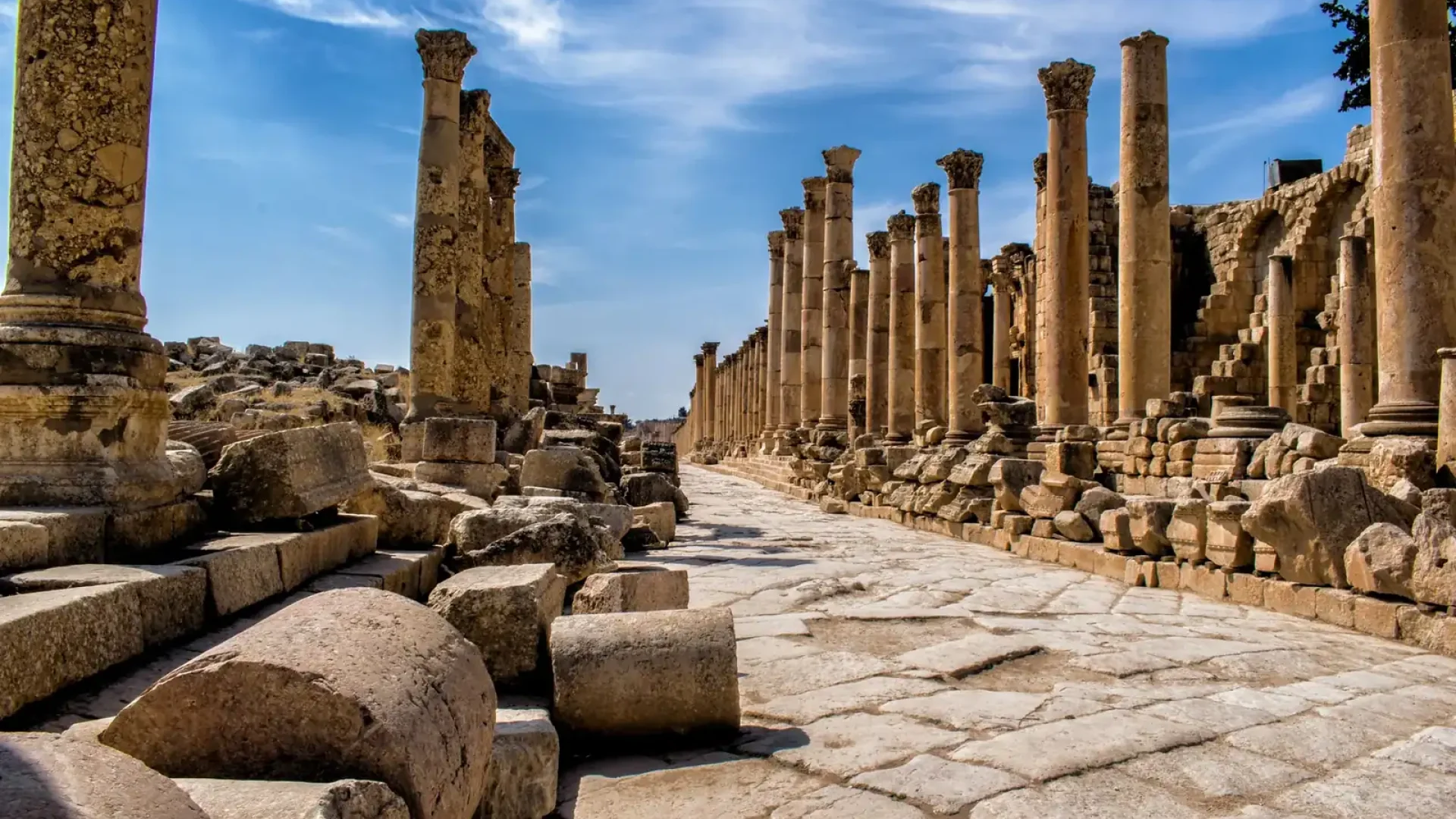
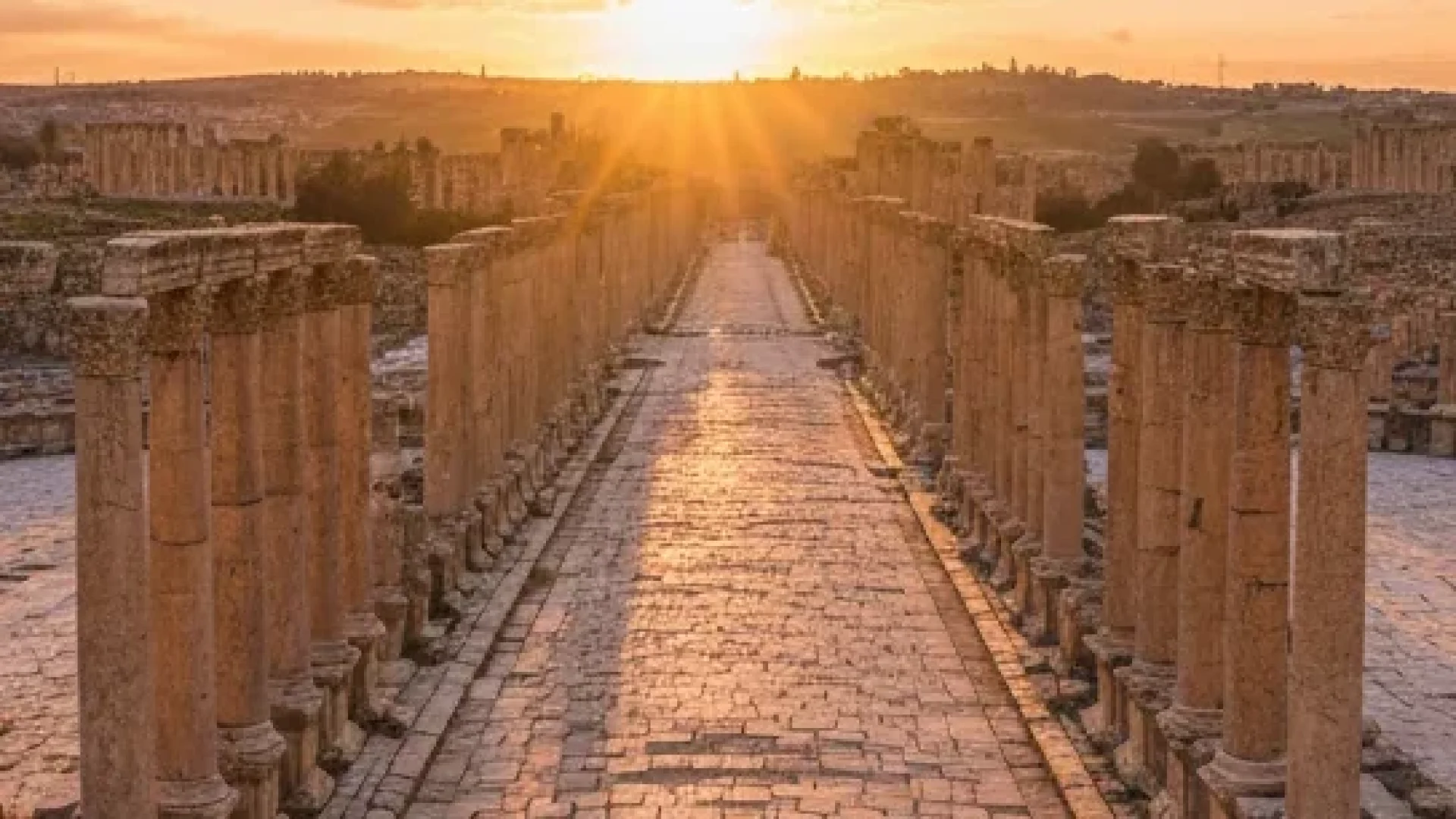
Walk the half-mile Cardo Maximus with its original stone paving and columns

From $155.00 per person
Jerash Amman Combo Full-Day Tour: Combine Jerash, the world's best-preserved Roman city, with Amman's top landmarks in one day.
Continue planning with our Jerash destination guide, and consult the official Jordan Tourism Board for current destination information.
Jerash is the Rome you never expected to find in the Middle East. This remarkably preserved Decapolis city reveals Roman urban planning at its finest: colonnaded streets, temples, theaters, and plazas that survived 2,000 years largely intact. Paired with Amman’s ancient Citadel and vibrant downtown, this full-day combo delivers Jordan’s north in perfect balance. Your licensed archaeologist guide brings both sites to life with stories of emperors, gladiators, and the merchants who made these cities wealthy. If you are a history enthusiast or a first-time visitor wanting maximum cultural coverage in a single day, this tour is built for you.
Ten hours allows meaningful exploration of both Jerash and Amman without rushing. The 45-minute drive between them provides a natural break. Jerash deserves 3.5 hours because the site is vast and rewards thorough exploration. Amman’s compact core sites fit perfectly into 2.5 hours. This combo maximizes your time while avoiding the fatigue of longer cross-country journeys. If you are based in Amman with one full day to spare, this is the most efficient way to experience Jordan’s premier Roman site alongside its dynamic capital.
Key details for planning this private journey experience.
Walk the half-mile Cardo Maximus with its original stone paving and columns
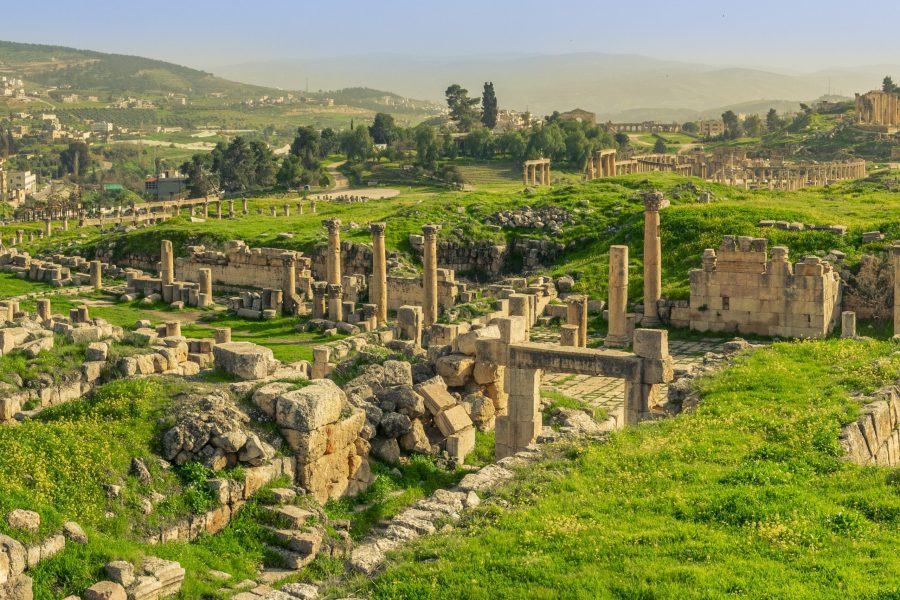
Stand in the Oval Plaza, one of the Roman world's most impressive forums
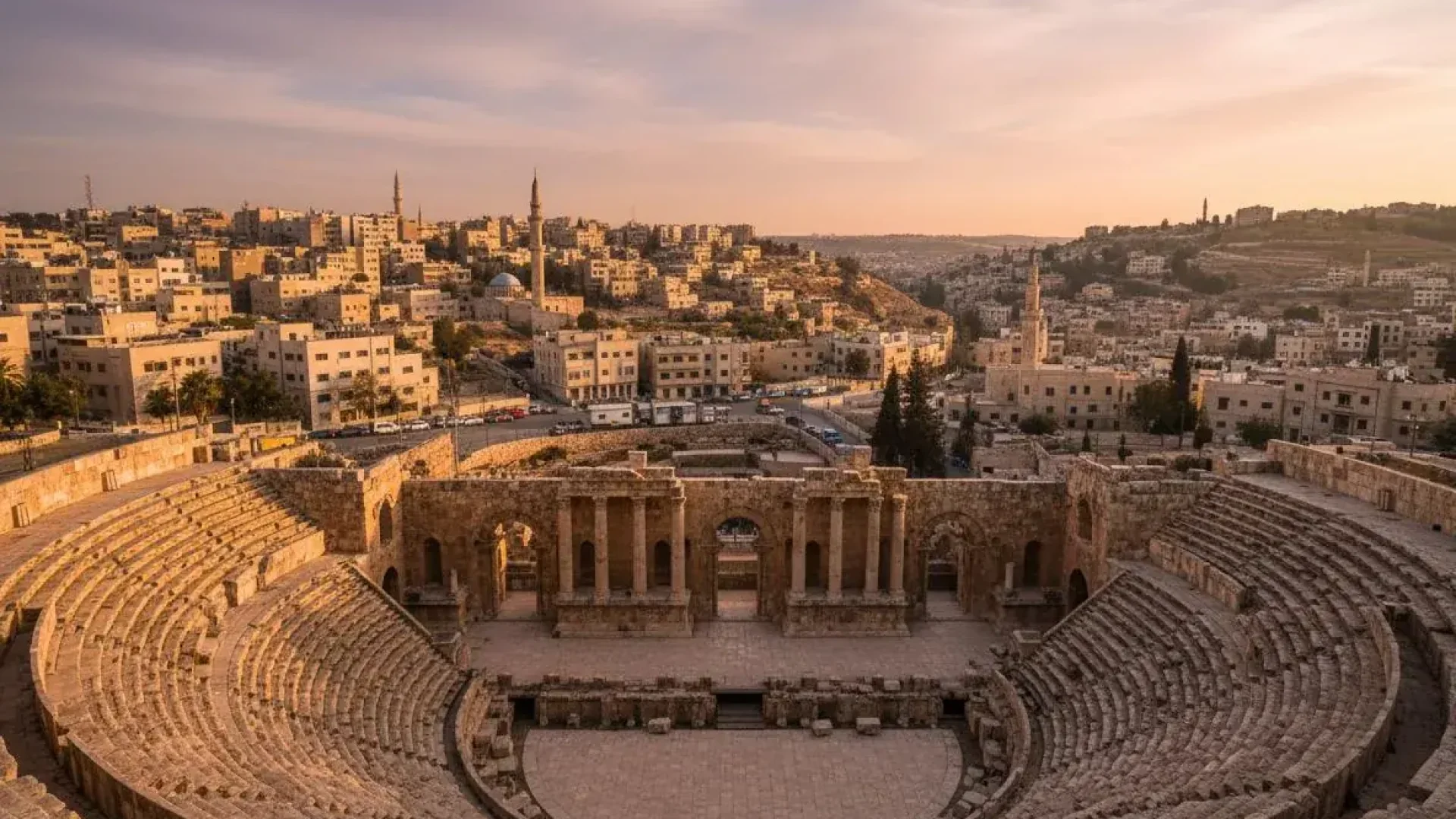
Climb the South Theater's 32 tiers for panoramic views over Jerash
Visit the Temple of Artemis, Jerash's most magnificent structure
Explore Amman Citadel's Temple of Hercules and Umayyad Palace
Descend into the 6,000-seat Roman Theater's acoustically perfect space
Feel the contrast of ancient ruins and a modern Arab capital
A simple view of what is covered in this journey and what should be planned separately.
Your driver calls reception at 07:00 to confirm pickup. You meet at the main entrance with comfortable walking shoes, sun hat, and camera. Your archaeologist guide introduces themselves and outlines the 10-hour schedule, emphasizing the Jerash focus in the morning and Amman in the afternoon.
The vehicle heads toward Jerash, 30 miles north of Amman. Your guide provides a 20-minute briefing on the Decapolis league, explaining that Jerash (ancient Gerasa) was one of ten Hellenistic cities that formed a commercial and military alliance.
Your guide collects pre-booked tickets or scans Jordan Pass codes. You receive a site map showing the optimal walking route. A quick restroom stop at the modern visitor facilities.
This monumental triple-arched gateway was built in 129 AD to honor Emperor Hadrian's visit. Your guide explains the architectural symbolism and the 360-degree view from the arch.
You enter through the South Gate and view the ancient Hippodrome, where up to 15,000 spectators once watched chariot races. Your guide describes the racing format and the social significance of these events.
The Oval Plaza, with its 56 Ionic columns, is one of the best-preserved Roman forums in existence. Your guide explains its ceremonial function and leads you onto the Cardo Maximus, the half-mile main street still paved with original stones.
You visit the ornate public fountain dedicated to the nymphs, then the Macellum (meat and fish market) with its circular courtyard. Your guide points out the stone tables where vendors displayed their goods.
This is Jerash's most magnificent structure, perched on a hill with sweeping views. Your guide explains that Artemis was the city's patron goddess and that the temple's columns were designed to sway slightly during earthquakes.
The smaller North Theater (1,600 seats) hosted poetry readings and music. Nearby, you explore the Cathedral, the Temple of Dionysus, and the Bishop's Palace, tracing Jerash's transition from paganism to Christianity.
You climb the 32 tiers of the 3,000-seat South Theater. At 11:00, your guide demonstrates the perfect acoustics by speaking from center stage, their voice audible throughout the theater without amplification.
Your guide remains available for questions. This is also the last opportunity for restroom use before departure.
The short drive takes you to a family-run restaurant serving authentic Jordanian home cooking.
The meal features mansaf (lamb with fermented yogurt sauce), maqluba (upside-down chicken and rice), fresh salads, and flatbread. Vegetarian options available. Your guide explains the cultural significance of each dish.
The 45-minute drive provides a natural rest period. Your guide summarizes the morning's archaeology and previews the Amman afternoon.
The vehicle climbs the hill to the ancient acropolis. Your guide explains that this site has been occupied for 7,000 years, making it one of the oldest continuously inhabited places on Earth.
You visit the Temple of Hercules (2nd century AD), noting its massive hand-shaped fragments scattered on the ground. Then the Umayyad Palace (8th century), with its audience hall and cistern, offering panoramic views of downtown Amman.
The short descent passes through the Raghadan area.
You descend into the 6,000-seat theater, built in the 2nd century AD during the reign of Antoninus Pius. Your guide demonstrates the acoustics and explains the three-tiered seating system.
The small museum inside houses traditional Jordanian costumes, mosaics, and folk instruments. Most visitors skip this, but your guide ensures you see the exceptional collection.
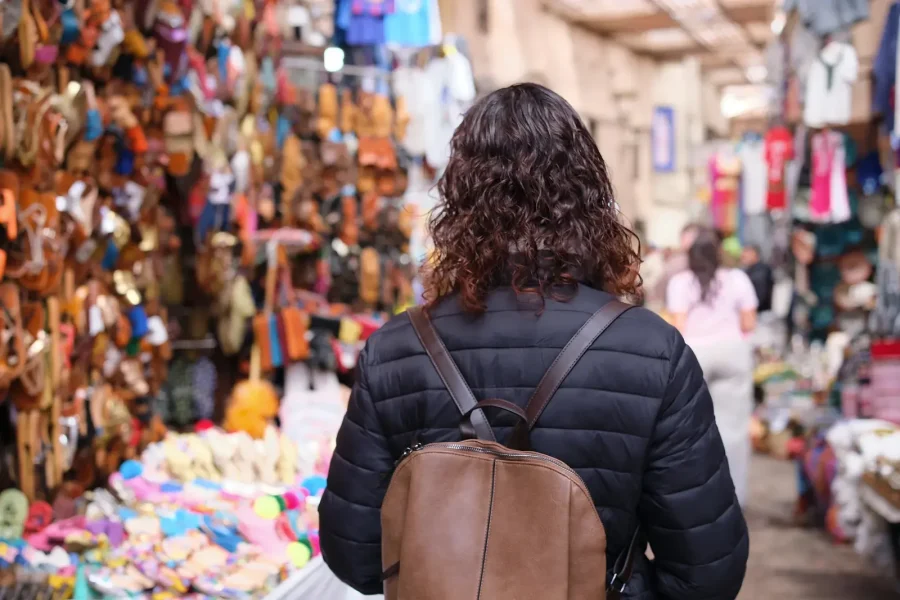
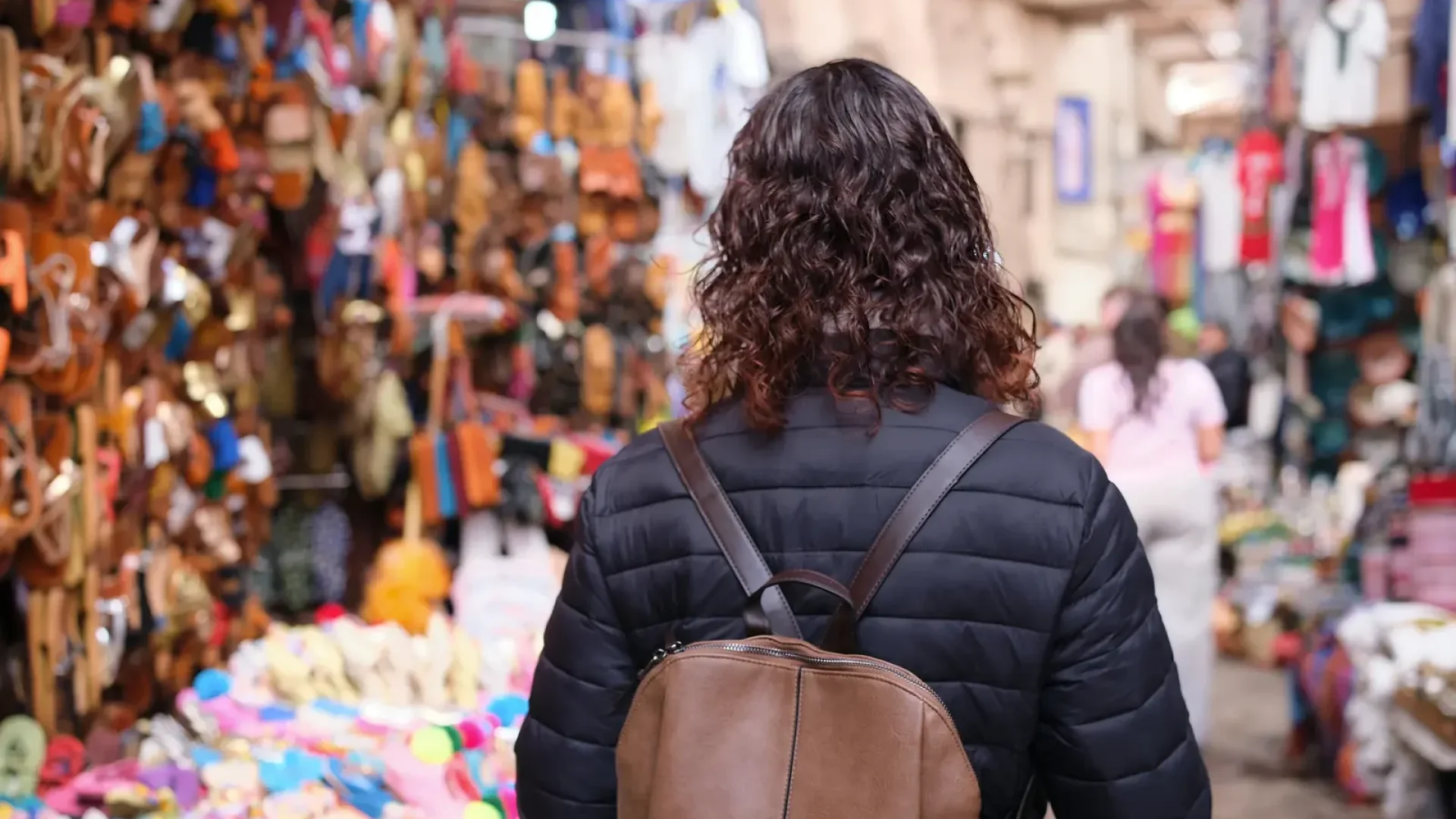
Your guide leads you through the spice market, gold souk, and traditional crafts area. You learn bargaining techniques and quality assessment tips.
You receive cardamom coffee and a warm slice of knafeh. Your guide explains the social significance of coffee culture in Jordanian hospitality.
You stroll Rainbow Street, viewing the famous rainbow-painted stairs and boutique galleries.
Your guide provides post-tour dining recommendations and hands you a digital photo map.
Everything important for planning, comfort, access, timing, and on-the-ground expectations.
Pickup window: 07:30 to 07:45. The driver contacts hotel reception 10 minutes prior. Meeting point is the hotel main entrance. Return drop-off happens at your original pickup point or an alternative Amman location by request.
10 hours total: 1.5 hours driving, 3.5 hours at Jerash, 2.5 hours in Amman, 1 hour for lunch and coffee, 1.5 hours transit between sites.
Private tours: 2 to 4 guests in sedan, 5 to 8 guests in Toyota Hiace.
Group tours: 9 to 16 guests in Mercedes Sprinter. All vehicles are air-conditioned.
Moderate. Jerash involves 3 to 4 miles walking on uneven stones with some elevation. Amman sites have stairs. Total walking: approximately 4 miles. Not wheelchair accessible.
| Group Size | Price Per Person |
|---|---|
| 2 guests | From $155 per person |
| 4 guests | From $125 per person |
| 6 guests | From $105 per person |
| 8 guests | From $92 per person |
Pricing Philosophy. Prices reflect 2026 market rates for private guided tours. Final quote depends on travel dates and customization. Jordan Pass holders: deduct $12 per person. Children under 12: 50% of adult price.
Available year-round. March through May and September through November are ideal. June through August: a 07:00 start helps avoid the heat. December through February brings pleasant daytime temperatures.
Booking: 25% deposit, balance due 72 hours before departure.
Cancellation: full refund more than 7 days out, 50% refund 3 to 7 days, no refund under 72 hours.
Jordan Pass holders: deduct $12 per person.
Significant walking on uneven surfaces and stairs at both sites. Not wheelchair accessible. Minimum age 6 recommended. Guests with mobility limitations may find Jerash challenging. An alternative vehicle-based tour is available.
Jerash chariot demonstration runs seasonally from April through October. Friday mornings: some shops closed until 10:30 after prayers. Ramadan brings earlier closing. Photography permitted everywhere. Dress modestly for Amman sites.
Useful labels that help compare this journey with other Jordan Journey experiences.
Clear answers before you reserve your journey.
More impressive than you expect. Jerash is the best-preserved Roman city outside Italy. The Cardo Maximus, Oval Plaza, and South Theater are genuinely breathtaking. Many guests actually prefer Jerash to Petra because of its completeness and smaller crowds.
Yes, but it becomes a longer day at 11 hours total. We can arrange Dead Sea pickup with a $40 supplement. Alternatively, combine this tour with an overnight stay in Amman to split the journey.
Local performers recreate Roman chariot races in the Hippodrome. It is entertaining but touristy. We include it in upgraded packages, or you can pay on-site if you want to add it spontaneously.
It serves authentic Jordanian home cooking: mansaf, maqluba, fresh salads. Not fancy, but genuine and delicious. Dietary requirements are accommodated with advance notice.
That becomes our North Jordan Triple Heritage tour (JJ-DEST-009), a 12-hour day including Ajloun. This combo focuses specifically on Jerash and Amman to keep the pacing reasonable.
Morning from 08:00 to 12:00 offers cooler temperatures and softer light for photography. The afternoon sun is harsh on the pale stones and can make them blindingly bright.
No passport needed. Jordan Pass holders should bring the QR code on their phone or printed voucher for scan at the entrance. Regular ticket holders just need the voucher we send by email.
Yes. Both Jerash and Amman sites have strong 4G coverage. We recommend Jordan's local carriers Zain or Umniah for the best signal in archaeological areas.